You may be feeling unsure about which strategy is better to run right now. Should it be SEO, or SEM?
SEO stands for search engine optimisation, and SEM for search engine marketing. As the name suggests, SEO is the work of optimising your website so it takes the best position, page one, in search engine results, above all on Google. SEO is organic. SEM is paid: it can also put you in the top positions of search results, but staying there means paying continuously.
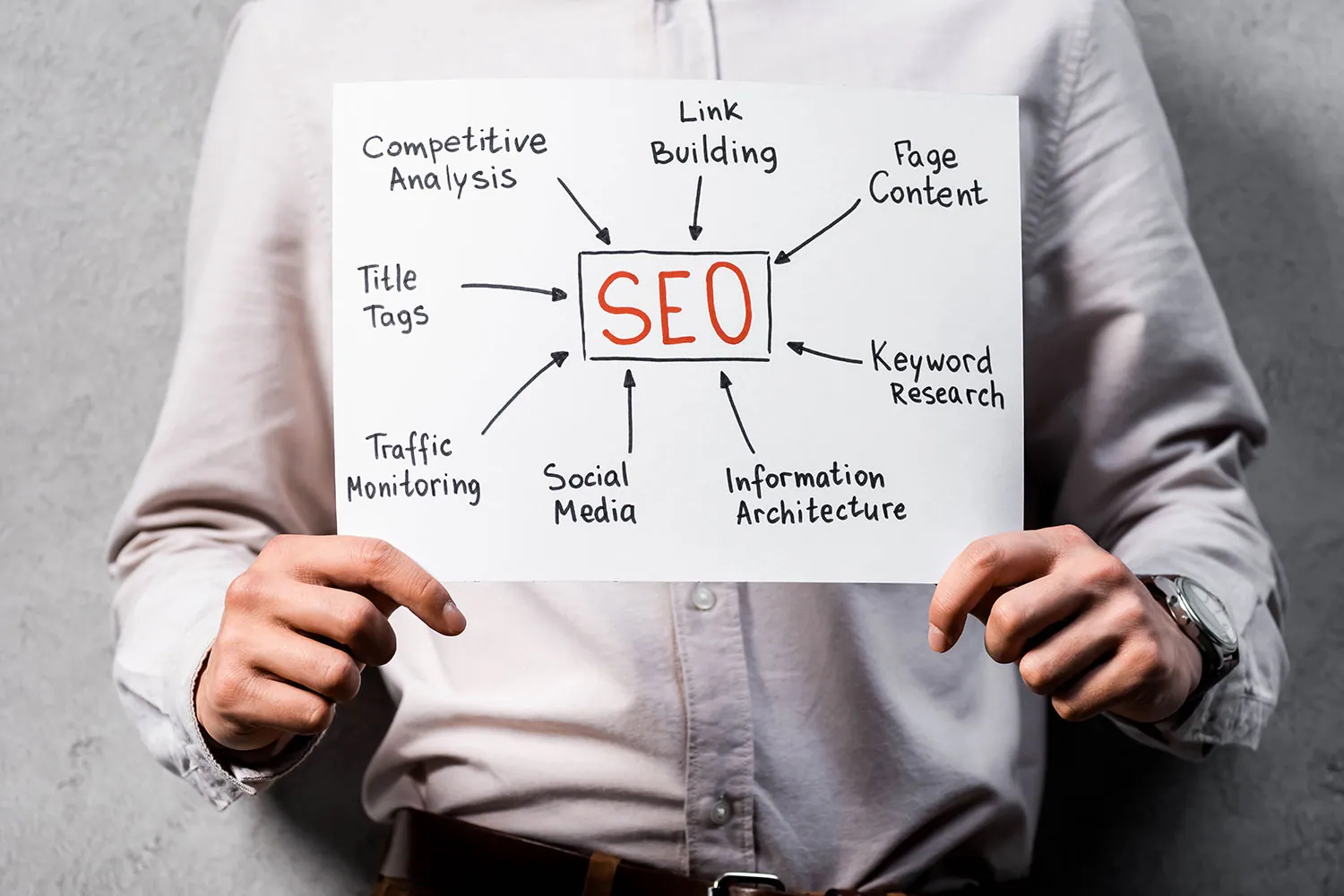
SEO works through Google's algorithm, which Google keeps developing and refining to improve its users' experience. There are four important things in SEO you should know.
On-Page SEO
With on-page SEO, you strengthen your website's content and set up its meta description and meta keywords, to improve and confirm your website's relevance to the keywords you target.
Off-Page SEO
With off-page SEO, you strengthen factors outside your own website, by increasing backlinks to your site from other websites. This lets Google's algorithm read your website as trusted and relevant to the keywords Google users search for.
Technical SEO
With technical SEO, you get the most out of your website's technical functions, to make sure Google's search algorithm can easily crawl and read its content. There are many technical ways to do this, such as making sure meta keywords, meta descriptions and friendly URLs are in place.
User Interaction Signals
Google's algorithm can also tell how users experience exploring your website. Does your website match what Google users are searching for? This matters a great deal for improving your position as a good website in Google search, for the keywords you target and that fit your needs.
What About SEM?
SEM, or search engine marketing, is the work of placing your website in Google search through paid means. Because SEM costs money, you naturally want your SEM budget to work as hard as possible. There are three important things to watch with SEM.
Bidding
This is the process where you compete with other website owners who want to advertise with the same keywords you are targeting. To appear in Google's results, you need to make sure your bid is high enough compared with your competitors.
Copywriting
The copy in your SEM strategy is essential for getting search users interested enough to click your link. Weak copy leads to a low click-through rate, which means your ad is less useful because few people want to open it.
Keyword Research
Choosing the right, relevant keywords is one of the factors that decides whether an SEM strategy succeeds. With Google's own tools, you can get keyword ideas that may suit your target market.
So Which Is Better?
SEO takes a long time to show good results, because it involves research, developing your website's content and evaluation to make sure your website keeps rising in Google's results. How long it takes varies: less than a year or more than a year, depending on many factors. Some are internal, such as how relevant your website's content is; some are external, such as where your competitors sit in Google's results.
SEM, on the other hand, can put your website on Google's first page straight away, in the ads positions. It is far more instant, but you have to keep paying to hold that position.
Which is better? Both matter, but over the long term SEO is the better strategy. If you need results faster, it's worth setting aside a budget to run an SEM strategy through Google Ads.
Yopdesign provides SEO services for businesses that want to grow their sales through Google search. We also support businesses that need help running an SEM strategy. Get in touch to talk it through, because every client can need a solution that is unique and different from the next.