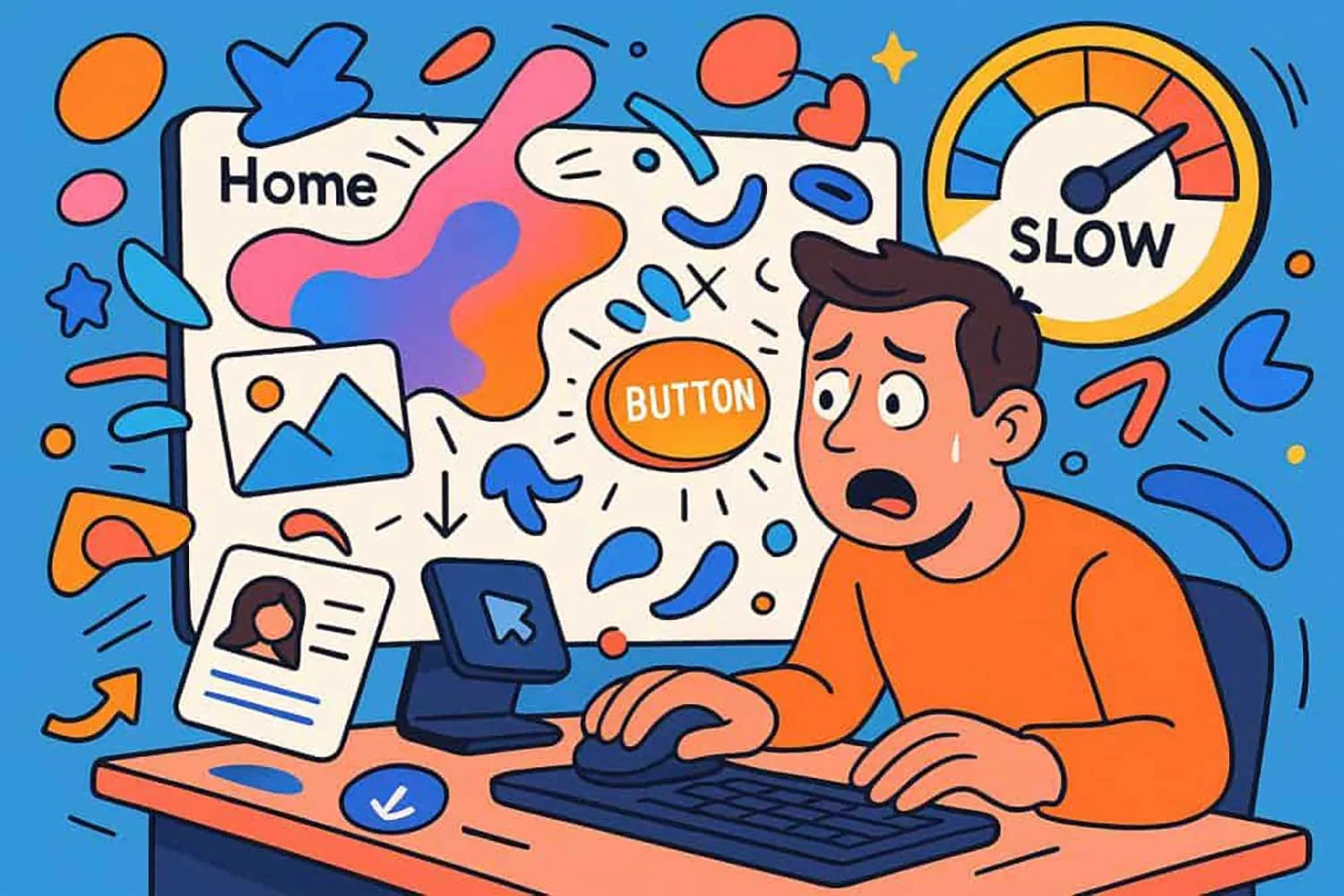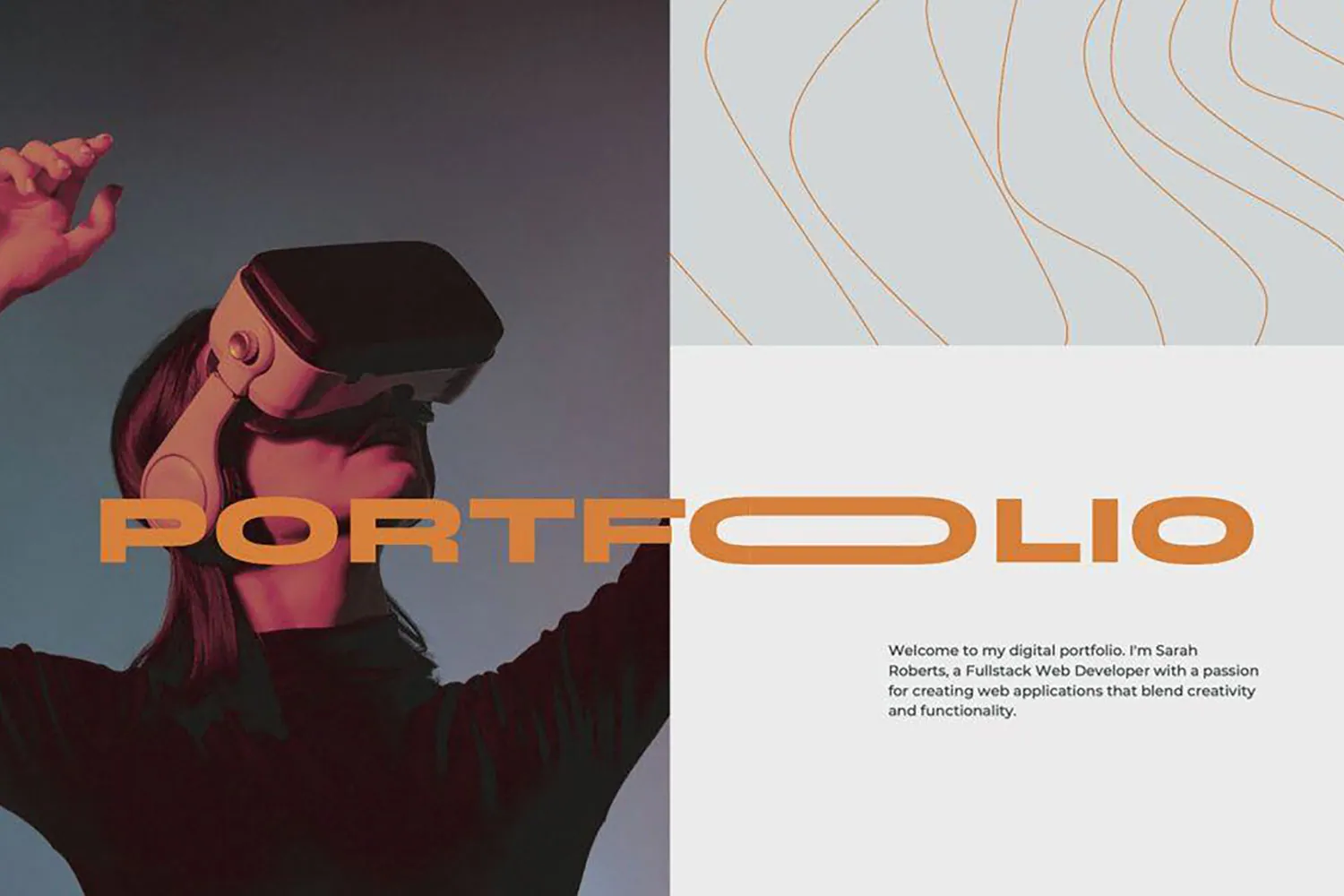
The designer portfolio is dead, and AI killed it. Recruiters won't click your link, algorithms reduce your work to bullet points, and real hiring decisions happen on LinkedIn, X and in community feeds.
Once upon a time, the designer's portfolio was a sacred heirloom. You polished it, curated it and prayed to the Dribbble gods that someone would notice your perfect kerning. A portfolio wasn't just a job-hunting tool; it was your identity wrapped in clickable thumbnails.
Fast-forward to 2025 and the portfolio is in critical condition. Not because visual work samples have stopped mattering (they still matter), but because the way they are judged, discovered and assessed has completely changed.
AI-driven pipelines don't care about your Behance carousel. They care about speed, keywords and whether you pass the algorithmic sniff test before a human ever sees your work.
And here is the point: most designers don't realise they are racing against a machine they can't even see.
The reality is that for many companies, your portfolio is no longer the first thing they look at. Applicant tracking systems (ATS) and AI filters reduce your application to raw text. That lovingly designed case study about redesigning a fintech dashboard? It gets condensed to:
"UI/UX designer — fintech — increased engagement by 12%."
By the time a recruiter or hiring manager actually clicks your portfolio link (if they do at all), the decision to interview you has often already been made based on your résumé, keywords or (brace yourself) your LinkedIn activity.
Worse, AI hiring tools increasingly summarise portfolios. Your nuanced storytelling, engaging microcopy and carefully chosen imagery get flattened into bullet points by a language model before any human sees them. It is like serving a Michelin-star dish only to have it put through a blender.
Another dirty secret: AI-driven search favours predictable, ready-made work. The same clean mockups, the same landing-page hero images, the same neumorphic button styles.
If your portfolio departs from the norm, even in a good way, AI may flag it as "non-standard" and quietly push it down the rankings.
We are witnessing the birth of a homogenous design monoculture, where everyone's portfolio looks like everyone else's, because that is what the algorithm rewards.
If the traditional portfolio is dying, what about you? In an AI-driven world, your network presence is your real portfolio. Hiring managers increasingly find designers through:
- LinkedIn posts and shares, showing your thinking, not just your output
- Twitter/X design threads, building niche authority in your specialism
- Community contributions, active participation in Figma, Notion or Framer communities
- Talks and workshops, online discussions, podcasts and meetup recordings that surface on YouTube
These channels bypass the gatekeepers entirely. Instead of hoping someone finds your portfolio site, you create surface area for discovery in the feeds and platforms people scroll every day.
Think of it as a distributed portfolio: a collection of public signals that together build your reputation:
- Micro case studies on LinkedIn
Short posts unpacking one problem you solved, with just enough visuals to catch the eye without overdoing it. - Design process videos
A 2-minute Loom showing your workflow in Figma, including decisions, not just outcomes. - Interactive templates
Publish free resources (UI kits, wireframe templates, style guides) that let people experience your design sensibility first-hand. - Guest posts and articles
Write for industry blogs (yes, even your competitors') so your name is linked to high-value insight. - Search-optimised "mini projects"
Host small, well-documented projects on GitHub, CodePen or Framer with searchable descriptions.
This isn't about abandoning the portfolio altogether; it is about making it one part of a bigger system, where every piece is discoverable and algorithm-friendly.
- AI loves fresh signals: algorithms prioritise recent, active content. A static site updated twice a year looks stale.
- Multiple entry points: instead of relying on one URL, you create dozens of ways for someone to find you.
- Reputation compounding: the more often your name appears in useful, relevant contexts, the more you are seen as an authority.
- Resilience: if one platform changes its rules (hello, Dribbble), you aren't starting from scratch.
It hurts, but it is true. The days of "Here's myportfolio.com, please admire my grid layout" are over. Hiring managers care about:
- Can you solve their problem?
- Can you work fast and communicate clearly?
- Have you shown those skills recently, in a way they can easily verify?
Your slick website can still be a great credibility booster, but it is the last stop, not the starting point.
We are in an era where a designer who spends 20 hours polishing their About page will lose out to one who spends 2 hours sharing an engaging LinkedIn post every week. AI filters talent in ways that reward visibility and freshness over static perfection.
If you want to survive, and thrive, in the AI hiring landscape, treat your portfolio as a hub, not a shrine. Build your ecosystem. Spread your work, thinking and personality across many channels.
Because the truth is that in 2025 the portfolio isn't dead. It has just been reincarnated, and the new version lives everywhere EXCEPT your home page.